Course description

Aims

  • To enhance clinical skills in diagnosing and treating paediatric minor injuries in primary care settings.
  • To promote the use of evidence-based guidelines in the treatment of minor injuries in children.
  • To improve patient communication and education regarding injury prevention and care.

Learning Objectives

By the end of this course, participants will be able to:

  1. Knowledge and Understanding:

    • Describe the basic anatomy and physiology relevant to common paediatric injuries.
    • Identify common minor injuries in children such as fractures, sprains, cuts, bruises, and burns.
    • Explain the pathophysiology and clinical presentation of these injuries.
  2. Clinical Assessment and Diagnosis:

    • Utilise clinical assessments and diagnostic tools to accurately identify and diagnose minor injuries in children.
    • Recognise paediatric minor injuries and differentiate between them.
    • Apply appropriate diagnostic criteria and screening tools for paediatric injuries.
  3. Treatment and Management:

    • Develop evidence-based treatment plans tailored to individual patient needs for managing minor injuries in children.
    • Prescribe and manage appropriate treatments including pain management, wound care, and immobilization techniques.
    • Implement non-pharmacological treatments and interventions such as splinting, bandaging, and physical therapy.
  4. Patient Communication and Education:

    • Effectively communicate with children and their caregivers about their injuries, including diagnosis, treatment options, and management plans.
    • Provide education on preventive measures and lifestyle modifications to support injury prevention and recovery.
    • Address patient and caregiver concerns and misconceptions about minor injuries and their treatments.
  5. Application of Best Practices:

    • Integrate current clinical guidelines and evidence-based practices into the management of paediatric minor injuries.
    • Utilise a patient-centered approach to care that respects and responds to individual patient preferences, needs, and values.
    • Engage in continuous professional development to stay updated with advancements and emerging practices in paediatric injury management.
  6. Evaluation and Reflective Practice:

    • Assess the effectiveness of treatment plans through ongoing monitoring and evaluation of patient outcomes.
    • Adjust treatment plans as necessary based on patient progress and response to interventions.
    • Reflect on clinical practices to identify areas for improvement and enhance the quality of care provided.
  7. Interprofessional Collaboration:

    • Collaborate effectively with pediatricians, orthopedists, and other healthcare professionals to provide comprehensive care for children with minor injuries.
    • Refer patients to appropriate specialty services and resources when necessary to ensure they receive the most appropriate care.

What will i learn?

  • Identify and describe the basic anatomy and physiology relevant to common paediatric injuries.
  • Assess common minor injuries in children using appropriate clinical tools and criteria.
  • Communicate effectively with children and their caregivers about injury management and prevention.
  • Collaborate with other healthcare professionals to ensure comprehensive care for paediatric patients

Requirements

  • Registered healthcare professional

Jeshni Amblum-Almer

CEO and founder of Belmatt healthcare Training providing accredited postgraduate training to healthcare professionals globally. Creation of bespoke training programmes in the UK, Dubai, Faulklands Islands and South Africa. Extensive experience in the clinical and academic sectors, with a broad range of skills. With a solid grounding in trauma care from my early nursing career in South Africa, I have adapted to diverse and dynamic healthcare environments. Today, I am immediate past President of the General Practice and Primary Care Section at The Royal Society of Medicine, and I leverage my versatile experience to drive innovative healthcare strategies and foster interdisciplinary collaboration.I currently provide consultancy services transforming traditional operations in general practice and community healthcare, focusing on implementing innovative approaches to service delivery. My recent work was crucial in creating a robust healthcare infrastructure for an extensive patient demographic in an area with challenges recruiting a robust workforce.My teaching roles at St. George's University and at City University complemented my clinical experience, allowing me to nurture future healthcare professionals. As a mentor, I had the opportunity to share my expertise in urgent care and general practice, impacting the next generation of healthcare providers and supporting clinicians to publish evidence-based practice.Throughout my career, I have seized opportunities to expand my expertise beyond traditional healthcare environments. Volunteering in medically underserved areas, such as Tanzania, the Dominican Republic, and Haiti's borders, has emphasized the significance of education, nutrition, and prudent medication usage. I leverage these experiences to inform my practice and ensure effective communication within an increasingly multicultural medical landscape.As a member of various advisory boards, I've utilised my expansive network to coordinate educational programs at the Royal Society of Medicine. In my current role as President, I am thrilled to support practitioners in primary care and encourage strategic planning and interdisciplinary cooperation. With a career marked by ongoing learning and adaptability, I am excited about future opportunities to drive change and improvement in the healthcare sector.

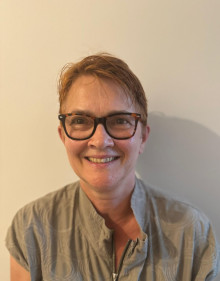
Dorthe Swaby- Larsen

Dorthe, an esteemed healthcare professional, brings a wealth of expertise and qualifications to her role as an Advanced Nurse Practitioner. With an MSc, BSc (Hons), and RGN, along with additional certifications as a Non-Medical Prescriber, HE-Lecturer-Practice Educator, and in Leadership-Management, she stands as a seasoned practitioner with over thirty years of dedicated service in Emergency and Urgent Care nursing. Throughout her illustrious career, Dorthe served as a Nurse Consultant for twelve years in South London and later as the Deputy Head of Nursing for King’s College Hospital NHS Foundation Trust. Her commitment to education and training is evident through her role as a Lecturer Practitioner for Middlesex University, and she continues to share her passion for teaching and training through freelance lecturing. Dorthe's significant contribution to education is highlighted by her collaboration with a Director of Nursing in establishing a university accredited Urgent Care Training Programme. This program successfully equips Emergency Practitioners to competently manage adults and children with Minor Injuries and Illnesses within Urgent Care settings. Her dedication to education extends to her role as a freelance lecturer, where she imparts her vast knowledge and experience to the next generation of healthcare professionals. An accomplished author, Dorthe has co-written "Limb X-ray Interpretation" in 2006, showcasing her expertise in the field. Her numerous publications in nursing journals further underscore her commitment to advancing knowledge in Minor Injuries, wound management, and limb X-ray interpretation. With a multifaceted background, Dorthe continues to make a profound impact on healthcare through her expertise in Minor Injuries, wound management, and limb X-ray interpretation, ensuring the delivery of high-quality care in Emergency and Urgent Care settings.  

£150

+VAT

Course code

PAEDINJ2402

Cpd hours

8

Skill level

Beginner

Expiry period

3 Months

Certificate

Yes

Related courses