Courses

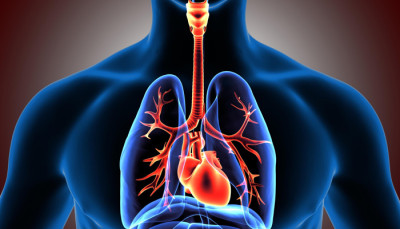
Understand the pathophysiological changes that occur in COPD and the associated symptoms Understand the importance of holistic assessment of a patient with COPD Develop knowledge of current treatment options for patients with COPD Understand the evidence based clinical guidelines for assessment and management of COPD Develop knowledge of current NICE guidelines and GOLD standards.
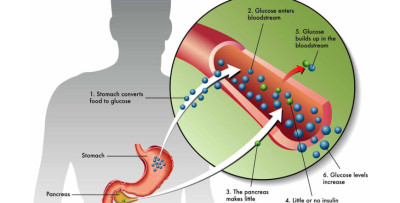
The course provides essential knowledge and skills for all healthcare professionals in primary care , enabling effective management of diabetic patients using an evidence-informed and patient-centered approach.

"Discover comprehensive strategies for managing chronic diseases with our Chronic Disease Management Course. Gain essential knowledge on prevention, treatment, and patient care to enhance quality of life and improve health outcomes. Perfect for healthcare professionals and caregivers seeking to expand their expertise."

CPD Hours: 3 Session Type : This is a recorded webinar.
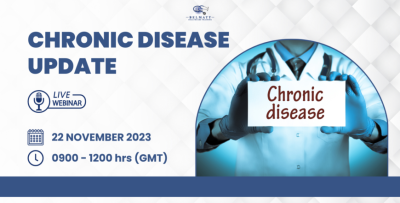
Course details Date: 22 November 2023 Time: 09h00 – 12h00 Session type: ZOOM Accreditation: 3 CPD Hours Course Overview The Chronic Disease Update Course is designed to provide healthcare professionals with the latest evidence-based knowledge and updates on the management and treatment of chronic diseases.
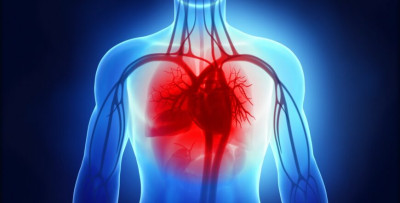
Course Summary This course provides essential knowledge and skills for all healthcare professionals caring for patients with hypertension and heart failure in nursing homes and care facilities in community settings.

This course is designed to enhance the knowledge and skills of healthcare professionals working in general practice in the UK. It aims to provide a comprehensive understanding of asthma management based on the latest recommendations and guidelines, with a specific focus on primary care. Participants will gain the necessary expertise to effectively diagnose and manage asthma, apply the BTS/SIGN guidelines, evaluate treatment options and inhaler devices, identify patients at risk of acute asthma and develop care plans. Course Duration: 1 day (6-8 hours) Understand and apply the latest recommendations and guidelines for asthma diagnosis in primary care. Interpret and implement the BTS/SIGN guidelines and standards in the management of asthma. Demonstrate proficiency in advising patients on inhaler devices and selecting appropriate treatment options. Evaluate the advantages and differences between new inhaler devices to facilitate informed decision-making. Identify patients at risk of developing acute asthma and provide timely intervention. Develop effective treatment strategies and care plans to prevent exacerbations of asthma.
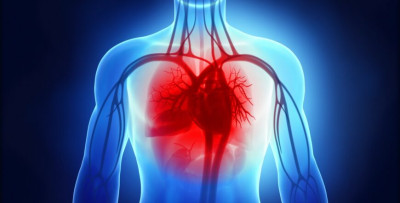
This training course explores the management of hypertension and heart failure in primary care, general practice and the community

Identify and Assess Chronic Diseases: Recognize the signs, symptoms, and risk factors associated with common chronic diseases. Develop Personalized Care Plans: Create individualized treatment plans based on patients’ specific needs, preferences, and medical history. Implement Treatment Protocols: Utilise appropriate medication, lifestyle interventions, and other therapeutic modalities in line with current guidelines. Apply Preventive Strategies: Implement preventive measures, including screenings, immunisations, and lifestyle counseling. Utilise Technology in Care: Integrate health technology tools, including electronic health records and telemedicine, in patient care. Communicate Effectively: Demonstrate strong communication skills with both patients and interdisciplinary healthcare teams. Evaluate Outcomes: Assess and evaluate patient outcomes, modifying care plans as needed to achieve optimal results. Adhere to Ethical Practices: Practice with ethical considerations, maintaining patient confidentiality and dignity. Engage in Continuous Learning: Recognise the importance of ongoing professional development and evidence-based practice in chronic disease management. Navigate Palliative Care: Provide compassionate palliative care to patients with life-limiting chronic illnesses. Facilitate Community Engagement: Collaborate with community resources and support systems to enhance patient care outside of the clinical setting.