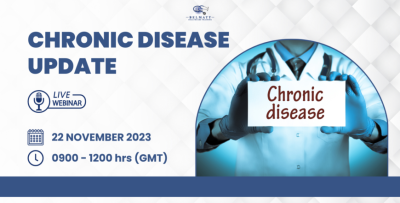
Chronic Disease Management in Primary Care
Identify and Assess Chronic Diseases: Recognize the signs, symptoms, and risk factors associated with common chronic diseases.
Develop Personalized Care Plans: Create individualized treatment plans based on patients’ specific needs, preferences, and medical history.
Implement Treatment Protocols: Utilise appropriate medication, lifestyle interventions, and other therapeutic modalities in line with current guidelines.
Apply Preventive Strategies: Implement preventive measures, including screenings, immunisations, and lifestyle counseling.
Utilise Technology in Care: Integrate health technology tools, including electronic health records and telemedicine, in patient care.
Communicate Effectively: Demonstrate strong communication skills with both patients and interdisciplinary healthcare teams.
Evaluate Outcomes: Assess and evaluate patient outcomes, modifying care plans as needed to achieve optimal results.
Adhere to Ethical Practices: Practice with ethical considerations, maintaining patient confidentiality and dignity.
Engage in Continuous Learning: Recognise the importance of ongoing professional development and evidence-based practice in chronic disease management.
Navigate Palliative Care: Provide compassionate palliative care to patients with life-limiting chronic illnesses.
Facilitate Community Engagement: Collaborate with community resources and support systems to enhance patient care outside of the clinical setting.