Course description

To have an awareness of current resuscitation guidelines and legislation on the management of anaphylaxis.

Develop skills in early recognition of moderate and severe reactions.

Develop a structured approach in the immediate  treatment of anaphylaxis.

Outline the response to adults and children who suffer from serious allergic reactions and demonstrate practical steps to reduce further reactions.

Content

UK Allergy statistics and understand the definition of anaphylaxis

Common causes and how to identify early symptoms of anaphylaxis

Treatment options for anaphylaxis including new covid vaccination guidelines

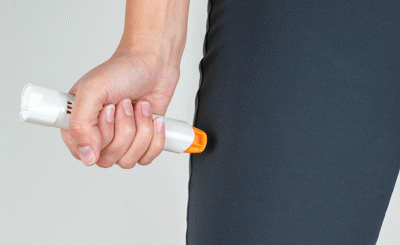
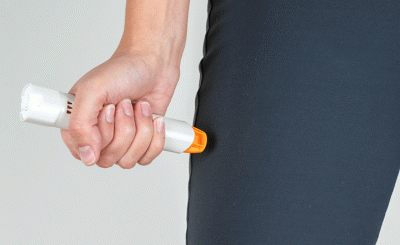
Use of epipen training (video)

Understand current management of anaphylaxis

Resus UK guidelines on management of anaphylaxis

Use of adrenaline

***Please note amended guidelines for treatment of anaphylaxis due to the covid vaccine.

Lecturer : Jeshni Amblum-Almér, ANP and Course Director

Recommended Courses

Adult and Paediatric Basic Life Support

Use of AED Machine

BLS and COVID-19

Mandatory Training

*This course can be accessed as a stand alone module or part of the Mandatory Training self paced online learning package.

What will i learn?

  • This anaphylaxis training is a practical presentation that will update participants’ knowledge of how to identify and manage anaphylaxis in primary care settings.

Requirements

Frequently asked question

All staff who have face to face contact with clients and patient’s and are involved with high risk activities. This particularly involves those who carry out clinical procedures such as vaccination, steroid injections, acupuncture and local anaesthesia. It does not need to be carried by those practitioners who are not involved in any of these clinical activities.

Belmatt Healthcare Training

Lala Dizon

Lala is a highly skilled advanced practitioner with an extensive professional background, boasting a distinguished career as a resuscitation officer at both St. George's University and, more recently, the prestigious Royal Marsden Hospital. With a wealth of experience in resuscitation techniques and emergency medical care, Lala has played a pivotal role in ensuring the preparedness and response capabilities of these esteemed medical institutions. Having dedicated a significant portion of her career to St. George's University, Lala has honed her expertise in resuscitation, demonstrating a commitment to the highest standards of patient care and safety. Her invaluable contributions to the field have been widely recognised, establishing her as a respected figure in resuscitation and emergency medical practices. In her current role at the Royal Marsden Hospital, Lala continues to bring her wealth of knowledge and hands-on experience to the forefront of patient care. Her commitment to professional growth and staying abreast of the latest advancements in resuscitation and emergency medicine underscores her dedication to providing the highest quality of care to patients. Lala's journey as an advanced practitioner showcases not only her technical proficiency but also her unwavering dedication to the well-being of those under her care. Her presence at the Royal Marsden Hospital contributes significantly to the institution's reputation for excellence in medical services, making her an indispensable asset to the healthcare community.

£10

+VAT

Course code

Cpd hours

Quizzes

1

Skill level

Beginner

Expiry period

Lifetime

Certificate

Yes

Related courses

Intermediate

Chronic Disease Management in Primary Care

0

(0 Reviews)

Identify and Assess Chronic Diseases: Recognize the signs, symptoms, and risk factors associated with common chronic diseases. Develop Personalized Care Plans: Create individualized treatment plans based on patients’ specific needs, preferences, and medical history. Implement Treatment Protocols: Utilise appropriate medication, lifestyle interventions, and other therapeutic modalities in line with current guidelines. Apply Preventive Strategies: Implement preventive measures, including screenings, immunisations, and lifestyle counseling. Utilise Technology in Care: Integrate health technology tools, including electronic health records and telemedicine, in patient care. Communicate Effectively: Demonstrate strong communication skills with both patients and interdisciplinary healthcare teams. Evaluate Outcomes: Assess and evaluate patient outcomes, modifying care plans as needed to achieve optimal results. Adhere to Ethical Practices: Practice with ethical considerations, maintaining patient confidentiality and dignity. Engage in Continuous Learning: Recognise the importance of ongoing professional development and evidence-based practice in chronic disease management. Navigate Palliative Care: Provide compassionate palliative care to patients with life-limiting chronic illnesses. Facilitate Community Engagement: Collaborate with community resources and support systems to enhance patient care outside of the clinical setting.

£300