Course description

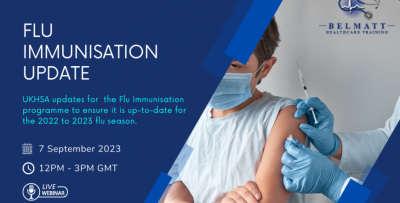
Understand the 2023/24 national flu immunisation guidelines, including vaccine selection, eligibility criteria, and scheduling.

Demonstrate proper vaccine administration techniques, including intramuscular and intranasal methods.

Recognise the priority and at-risk populations for vaccination, including age groups, clinical risk categories, and other special considerations.

Understand potential adverse reactions, contraindications, and how to manage them in line with the new guidelines.

Develop effective communication strategies to engage with patients, address vaccine hesitancy, and promote the uptake of the flu vaccine.

Apply the knowledge gained to practical scenarios within the clinical setting, including planning for immunisation sessions, record-keeping, and following proper storage protocols.

Identify the distinct characteristics of influenza and differentiate it from other respiratory illnesses such as COVID-19.

Course Outline

Introduction to the 2023/24 Influenza Season: Overview of the influenza virus, strains, and expected challenges.

Updated Vaccination Guidelines: Detailed review of the national guidelines, including vaccine types, administration routes, contraindications, and patient eligibility.

Vaccine Administration Workshop: Hands-on practice of intramuscular and intranasal administration techniques.

Patient Communication and Counselling: Strategies for addressing patient concerns, promoting vaccine uptake, and overcoming hesitancy.

Case Studies and Scenario-based Learning: Engaging in real-life scenarios to apply the knowledge gained in a practical context.

Q&A Session: Opportunity to ask questions and clarify any uncertainties related to the new guidelines.

This course offers a valuable opportunity for healthcare professionals to stay up-to-date with the latest influenza immunisation guidelines and ensures that they are well-equipped to implement them in their practice during the 2023/24 flu season.

Other upcoming Flu Immunisation Updates

 Flu Immunisation Update (19 September 2023)

What will i learn?

  • To provide attendees with the latest information on the influenza virus, vaccines, administration techniques, and patient management. To enhance the skills of healthcare providers in vaccine administration, patient counselling, and compliance with the updated national guidelines. To encourage compliance with the 2023/24 national influenza vaccination guidelines and foster an understanding of the importance of immunisation in community health.

Requirements

  • Completion of crossword and read through Greenback guidelines on Influenza Immunisations.
  • Read UKHSA guidelines for 2023/24

Belmatt Healthcare Training

Kirsty Armstrong

Kirsty Armstrong is a distinguished Advanced Nurse Practitioner specialising in out-of-hours care, coupled with a significant role as a Senior Lecturer in Primary Care and Workforce Development at Kingston University and St George’s University of London. With a dedicated focus on primary care, Kirsty has made substantial contributions to the field through extensive publications and a commitment to educating future healthcare professionals. Her recent publications showcase her expertise and commitment to advancing healthcare practices. In "Debate: Should patients be charged for missing appointments?" (Nursing in Practice: Voices, 2018), Kirsty engages in critical discussions on the ethical considerations surrounding patient appointments. Another notable contribution is "The safe storage and management of vaccines" (Practice Nursing, 29(4), 2018), where she delves into the crucial aspects of vaccine safety and management.Kirsty's expertise extends to specific clinical practices, as demonstrated in "Undertaking ear assessment and irrigation" (Journal of General Practice Nursing, 4(1), 2018). Here, she imparts valuable insights into ear assessment procedures, contributing to the knowledge base of healthcare practitioners. "Safely administering and storing vaccines in the community setting" (British Journal of Community Nursing, 22(9), 2017) reflects Kirsty's dedication to ensuring the safe and effective delivery of healthcare services in community settings. Her work in this area addresses critical aspects of vaccine administration, highlighting her commitment to maintaining high standards of patient care beyond traditional healthcare settings. Kirsty Armstrong's multifaceted role as a practitioner, educator, and prolific author underscores her dedication to advancing healthcare practices and fostering the development of the healthcare workforce. Her contributions have left a lasting impact on the field, making her a respected figure in both clinical and academic circles.  

£50

+VAT

Course code

Cpd hours

Quizzes

1

Skill level

Advanced

Expiry period

Lifetime

Certificate

Yes

Related courses

Intermediate

Chronic Disease Management in Primary Care

0

(0 Reviews)

Identify and Assess Chronic Diseases: Recognize the signs, symptoms, and risk factors associated with common chronic diseases. Develop Personalized Care Plans: Create individualized treatment plans based on patients’ specific needs, preferences, and medical history. Implement Treatment Protocols: Utilise appropriate medication, lifestyle interventions, and other therapeutic modalities in line with current guidelines. Apply Preventive Strategies: Implement preventive measures, including screenings, immunisations, and lifestyle counseling. Utilise Technology in Care: Integrate health technology tools, including electronic health records and telemedicine, in patient care. Communicate Effectively: Demonstrate strong communication skills with both patients and interdisciplinary healthcare teams. Evaluate Outcomes: Assess and evaluate patient outcomes, modifying care plans as needed to achieve optimal results. Adhere to Ethical Practices: Practice with ethical considerations, maintaining patient confidentiality and dignity. Engage in Continuous Learning: Recognise the importance of ongoing professional development and evidence-based practice in chronic disease management. Navigate Palliative Care: Provide compassionate palliative care to patients with life-limiting chronic illnesses. Facilitate Community Engagement: Collaborate with community resources and support systems to enhance patient care outside of the clinical setting.

£300