Course description

Learning Objectives

Develop knowledge of some of the 15 standards developed jointly by Skills for Care, Health Education England and Skills for Health.

Recognise the importance of patient centred care.

Develop skills in taking a blood pressure, blood glucose, urine dipstick and temperature.

 Develop understanding of the ethical and legal issues that guide practice

Understand the importance of infection control, communication and handling information

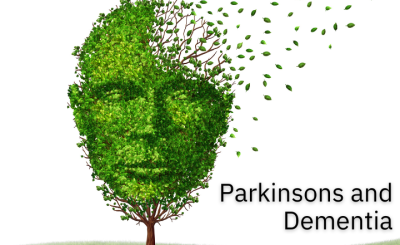
Have an understanding of dementia and mental health disorders

Course Curriculum

Module 1 Working in Different Healthcare Settings

Understanding your role as a healthcare support worker or care giver

Duty of Care

Your personal development

Module 2 Ethical and Legal Issues

Mental Capacity Act

Consent and Capacity

Deprivation of Liberty

Dignity and Privacy

Module 3 Management of patients records and handling information

Information Governance

Handling Information

Documentation and Recordkeeping

Module 4 Communication 

Communication

Whistleblowing

Complaint Handling

Conflict Resolution

Module 5 Infection control and risk assessment

Infection control

Risk Assessment

Food hygiene, nutrition and fludis

Safe Handling and Administration of Medication

Module 6 Mental Health Awareness

Mental Health, Dementia and Learning Disability

Understanding the Teenage Brain

Taking mental health observations

Module 7 Safeguarding Adults and Children and Yourself 

Safeguarding Adults Level 3

Safeguarding Children Level 3

Managing Challenging Behaviour

Lone Working

Module 8 Vital signs and observations

Blood pressure monitoring

Heart rate and oxygen saturation

Taking a urine dipstick

Sepsis and News Scoring

Module 9 Long Term conditions

Diabetes

Hypertension and Heartfailure

Asthma

Parkinsons

Multiple Sclerosis

Learning Disabilities

Module 10

Competency document

How are you assessed

You are required to build a portfolio of evidence in the form of written statements and reflective accounts. You are required to have an assessor in your workplace to undertake observations of your work and sign off the competencies. However, this is kept by you and does not need to be submitted to us.

You must pass all the MCQ’s in each section in order to get a certificate.

***It is recommended you identify a mentor to guide you and provide you with support to complete your skills competencies. We recommend you allocate at least 26 weeks to complete competencies under supervision of a mentor. You will have access to the course material for 6months so that you can complete it at your own pace.

You are encouraged to work through the Care Certificate workbook prior to attending this course.

What will i learn?

  • This course will prepare delegates with the knowledge and skills needed to work towards a role in as an assistant or care giver

Requirements

  • Download the Care Certificate document and read through the importance of the 15 standards against which to benchmark practice.

Frequently asked question

Self directed online learning which includes a series of online audio presentations with an MCQ and booklet. Competency workbook which allows all delegates to record knowledge gained and assessments undertaken. This book can then be taken into the workplace for employers to sign off once this knowledge has been demonstrated.

Self directed online learning which includes a series of online audio presentations with an MCQ and booklet. Competency workbook which allows all delegates to record knowledge gained and assessments undertaken. This book can then be taken into the workplace for employers to sign off once this knowledge has been demonstrated.

Belmatt Healthcare Training

Jeshni Amblum

MA Health Law and Ethics, Pg Dip Advanced Practice, PGCE,Dip in Nursing, Midwifery, Psychiatry and Community.Responsible for accreditation of courses, review of lecturers and course content, and curriculum design. First nurse to be elected as future president of the General Practice and Primary Care Section of the Royal Society of Medicine In UK. Consultancy work as Nurse Practitioner in Urgent Care and General Practice supporting surgeries to use sustainable approaches to develop their workforce and prepare for CQC inspections.

£75

+VAT

Course code

Cpd hours

Quizzes

30

Skill level

Beginner

Expiry period

Lifetime

Certificate

Yes

Related courses

Intermediate

Chronic Disease Management in Primary Care

0

(0 Reviews)

Identify and Assess Chronic Diseases: Recognize the signs, symptoms, and risk factors associated with common chronic diseases. Develop Personalized Care Plans: Create individualized treatment plans based on patients’ specific needs, preferences, and medical history. Implement Treatment Protocols: Utilise appropriate medication, lifestyle interventions, and other therapeutic modalities in line with current guidelines. Apply Preventive Strategies: Implement preventive measures, including screenings, immunisations, and lifestyle counseling. Utilise Technology in Care: Integrate health technology tools, including electronic health records and telemedicine, in patient care. Communicate Effectively: Demonstrate strong communication skills with both patients and interdisciplinary healthcare teams. Evaluate Outcomes: Assess and evaluate patient outcomes, modifying care plans as needed to achieve optimal results. Adhere to Ethical Practices: Practice with ethical considerations, maintaining patient confidentiality and dignity. Engage in Continuous Learning: Recognise the importance of ongoing professional development and evidence-based practice in chronic disease management. Navigate Palliative Care: Provide compassionate palliative care to patients with life-limiting chronic illnesses. Facilitate Community Engagement: Collaborate with community resources and support systems to enhance patient care outside of the clinical setting.

£300