Course description

Course Aims

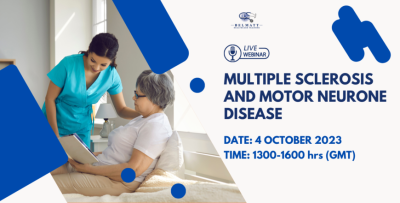
This course focuses on understanding the complexities of MS in the context of aging, including age-related considerations, comorbidities, and the impact on overall health and well-being.

Course Outline:

1. Introduction to MS in Older Adults

  • Epidemiology and prevalence of MS in older adults
  • Age-related changes and their impact on multiple sclerosis progression

2. Diagnosis and Assessment in Older Adults

  • Challenges in diagnosing MS in older adults
  • Diagnostic criteria and tools specific to older adults
  • Comprehensive assessment of older adults with multiple sclerosis

3. Treatment Approaches in Older Adults

  • Disease-modifying therapies for older adults with multiple sclerosis
  • Managing comorbidities and age-related complications
  • Symptom management and supportive care strategies

4. Cognitive and Psychosocial Considerations

  • Cognitive changes and challenges in older adults with multiple sclerosis
  • Psychological well-being and mental health support
  • Rehabilitation strategies for cognitive and psychosocial impairments

5. Promoting Physical Well-being

  • Physical activity and exercise in older adults with multiple sclerosis
  • Management of mobility and balance issues
  • Assistive devices and adaptations for older adults with multiple sclerosis

6. Care Coordination and Interdisciplinary Collaboration

  • Interdisciplinary team approach to managing MS in older adults
  • Care coordination and communication among healthcare providers
  • Engaging caregivers and providing support to enhance their role

7. Ethical and End-of-Life Considerations

  • Ethical dilemmas and decision-making in the care of older adults with multiple sclerosis
  • Palliative and end-of-life care considerations
  • Advance care planning and discussions on prognosis

Teaching Methodology:

  • Live webinar
  • Lectures with multimedia presentations
  • Case-based discussions and interactive sessions
  • Q&A sessions

Other similar courses

Mental Health Disorders 

Managing Challenging Behaviours and Medical Conditions in people with Learning Disabilities 


 Epilepsy in Older Adults 

Parkinson's in Older Adults 

Learning Disabilities in Older Adults 

Introduction to Asthma COPD and Spirometry Introduction to Cardiovascular Disease


What will i learn?

  • Understand the unique challenges and considerations in diagnosing MS in older adults.
  • Recognise the specific clinical presentations and manifestations of MS in older adults.
  • Identify and manage age-related co morbidities and complications in older adults with MS.
  • Have an overview of treatment plans for older adults with multiple sclerosis, considering the benefits and risks of disease-modifying therapies and symptom management strategies.
  • Coordinate care and promote interdisciplinary collaboration in the management of MS in older adults.

Requirements

  • Registered and non registered staff working with older persons in primary care settings

Belmatt Healthcare Training

Nora Vyas

I am an Associate Professor in Psychology, with specialism in child/adolescent mental health, at Kingston University London. I am passionate to foster partnerships with young people, health charities, and industry to bring science in practice, and I am able to achieve this in my role as School civic partnership and knowledge exchange lead. I have 12 years of teaching experience in child/adolescent and adult mental health, clinical psychology, and health psychology at undergraduate and postgraduate level. I have extended my interest in studying individuals who suffer from different types of cancers, and this work has been possible through my collaboration with Imperial College Healthcare NHS Trust. I am an Associate Fellow and Chartered Psychologist with the British Psychological Society, and elected Senior Fellow by the Higher Education Academy.My research interests involve understanding the pathophysiology of serious psychiatric disorders using clinical, genetic, neurocognitive, and neuroimaging techniques in the hope that it will improve treatment and outcome. Many of my skills have subsequently been applied in oncology and mindfulness research. My research has been widely published in international journals. I have been fortunate to have received awards in recognition of my work in the very early stages of my career including the Churchill Fellowship, Fulbright Distinguished Scholar Award, and Lindemann Trust Fellowship. I have also received Young Scientist Awards and the Young Researcher Award from international conference bodies.I am Associate Editor for Frontiers in Child and Neurodevelopmental Psychiatry, and Frontiers in Neuropsychiatric Imaging and Stimulation. I am also an Editorial Board Member for numerous international journals, and peer-reviewer for journals such as NeuroImage, Schizophrenia Research, Schizophrenia Bulletin, Child Neuropsychology, Journal of Psychiatric Research.I enjoy delivering knowledge about mental health to the lay audience and have an Instagram page (please follow us): @mentalhealth_connect


£50

+VAT

Course code

MSN2402

Cpd hours

3

Quizzes

1

Skill level

Beginner

Expiry period

3 Months

Certificate

Yes

Related courses

Intermediate

Chronic Disease Management in Primary Care

0

(0 Reviews)

Identify and Assess Chronic Diseases: Recognize the signs, symptoms, and risk factors associated with common chronic diseases. Develop Personalized Care Plans: Create individualized treatment plans based on patients’ specific needs, preferences, and medical history. Implement Treatment Protocols: Utilise appropriate medication, lifestyle interventions, and other therapeutic modalities in line with current guidelines. Apply Preventive Strategies: Implement preventive measures, including screenings, immunisations, and lifestyle counseling. Utilise Technology in Care: Integrate health technology tools, including electronic health records and telemedicine, in patient care. Communicate Effectively: Demonstrate strong communication skills with both patients and interdisciplinary healthcare teams. Evaluate Outcomes: Assess and evaluate patient outcomes, modifying care plans as needed to achieve optimal results. Adhere to Ethical Practices: Practice with ethical considerations, maintaining patient confidentiality and dignity. Engage in Continuous Learning: Recognise the importance of ongoing professional development and evidence-based practice in chronic disease management. Navigate Palliative Care: Provide compassionate palliative care to patients with life-limiting chronic illnesses. Facilitate Community Engagement: Collaborate with community resources and support systems to enhance patient care outside of the clinical setting.

£300