Course description
Learning Outcomes
Develop a basic understanding of the anatomy of the heart, lungs, abdominal and ENT systems.
Undertake a structured approach to history taking and clinical examination of the main body systems.
Critically consider anatomical and physiological principles to undertake an effective clinical assessment and develop a differential diagnosis.
Develop a systematic approach to safely assess and manage patients , including history taking and identification of red flags.
Develop skills in top to toe examination.
Recognise normal and abnormal findings when performing a physical examination and when to escalate management.
Course Outline
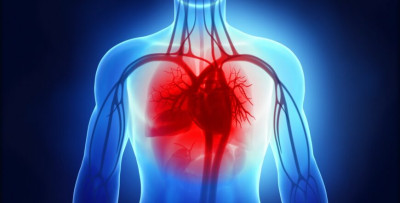
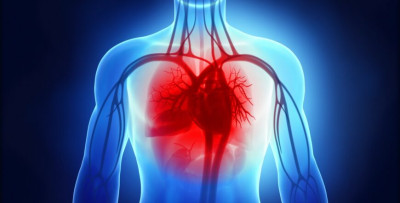
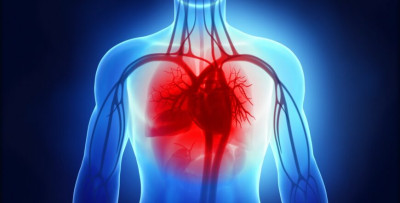
Cardiac assessment, examination and common abnormalities. Recognising symptoms of heart failure, abnormal heart sounds and hypertension.
Respiratory System : Auscultation of the chest. Identifying different lung sounds and associated red flags. Recognising symptoms of pneumonia, bronchitis, asthma and chest infection
Abdominal Assessment: Examination of the abdomen and identifying of underlying structures. Recognising an acute abdomen, appendicitis, liver disease, IBD and other common abdominal disorders
Neurological Assessment: Cranial Nerves, Upper and Lower motor neurones, tone, power and sensation including co-ordination and reflexes. Recognising hyper and hyporeflexia, neurological disorders and upper and lower motor neurone disorders.
ENT Exam: Examination of the ear to identify the normal landmarks of the ear, otitis media or externa, disorders of the tympanic membrane and an overview of dizziness.
Eye Examination : Examination of the eye and recognising opthalmological emergencies.
Assessment
There is a “MOCK OSCE” at the end of the session. This is for learning purposes and there is no requirement to have a formal PASS grade.