Course description

Objectives

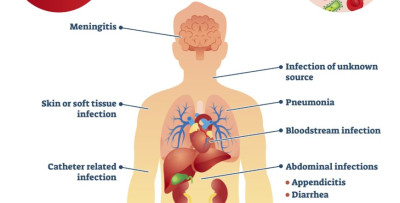
Increase awareness of mortality associated with sepsis.

Define and differentiate between SIRs, sepsis and severe shock

Recognise the causes of sepsis

Review pathophysiology of sepsis.

Increased awareness of at risks groups such as post op/procedure, children, immunosuppressed and the elderly.

Recognise the complications associated with sepsis

Remote consultations and early recognition of sepsis

Increased awareness of NEWS Scoring.

Understanding steps that clinicians can take to reduce sepsis.

Using risk stratification tools

Education of patients (and carers) at risk and safety netting?

Lecturer

Jeshni Amblum – Almer

Aneela Tehseen

Recommended Courses

Antimicrobial Stewardship

Prescribing Update

What will i learn?

  • To improve understanding of sepsis and NEWS2 scoring and recognise early interventions or preventative strategies to reduce the incidence of sepsis.

Requirements

Frequently asked question

This course is for all healthcare professionals working in clinical settings and seeing and treating patients.

Belmatt Healthcare Training

Jeshni Amblum

MA Health Law and Ethics, Pg Dip Advanced Practice, PGCE,Dip in Nursing, Midwifery, Psychiatry and Community.Responsible for accreditation of courses, review of lecturers and course content, and curriculum design. First nurse to be elected as future president of the General Practice and Primary Care Section of the Royal Society of Medicine In UK. Consultancy work as Nurse Practitioner in Urgent Care and General Practice supporting surgeries to use sustainable approaches to develop their workforce and prepare for CQC inspections.

£5

+VAT

Course code

Cpd hours

Quizzes

1

Skill level

Beginner

Expiry period

Lifetime

Certificate

Yes

Related courses

Intermediate

Chronic Disease Management in Primary Care

0

(0 Reviews)

Identify and Assess Chronic Diseases: Recognize the signs, symptoms, and risk factors associated with common chronic diseases. Develop Personalized Care Plans: Create individualized treatment plans based on patients’ specific needs, preferences, and medical history. Implement Treatment Protocols: Utilise appropriate medication, lifestyle interventions, and other therapeutic modalities in line with current guidelines. Apply Preventive Strategies: Implement preventive measures, including screenings, immunisations, and lifestyle counseling. Utilise Technology in Care: Integrate health technology tools, including electronic health records and telemedicine, in patient care. Communicate Effectively: Demonstrate strong communication skills with both patients and interdisciplinary healthcare teams. Evaluate Outcomes: Assess and evaluate patient outcomes, modifying care plans as needed to achieve optimal results. Adhere to Ethical Practices: Practice with ethical considerations, maintaining patient confidentiality and dignity. Engage in Continuous Learning: Recognise the importance of ongoing professional development and evidence-based practice in chronic disease management. Navigate Palliative Care: Provide compassionate palliative care to patients with life-limiting chronic illnesses. Facilitate Community Engagement: Collaborate with community resources and support systems to enhance patient care outside of the clinical setting.


£300