Course description

espiratory Disorders Learning Course is designed for healthcare professionals seeking to deepen their understanding and enhance their clinical skills in diagnosing, treating, and managing respiratory disorders. Covering a wide range of topics from common conditions like asthma and COPD to complex respiratory diseases, this course offers evidence-based guidelines, interactive case studies, and practical insights to improve patient outcomes. Ideal for doctors, nurses, and allied health professionals, the course provides the knowledge and tools necessary to deliver high-quality care in both acute and chronic respiratory conditions.

Aims

  • To provide an understanding of the pathophysiology, diagnosis, and management of respiratory disorders.
  • To enhance clinical decision-making skills through the application of evidence-based guidelines.
  • To improve patient outcomes by promoting best practices in the treatment and management of respiratory conditions.
  • To equip healthcare professionals with the latest knowledge and resources in respiratory medicine.

Learning Outcomes

By the end of this course, participants will be able to:

  1. Identify and Describe:

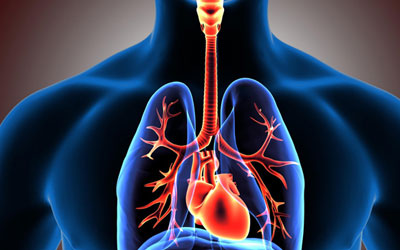
    • The anatomy and physiology of the respiratory system.
    • Common respiratory disorders including asthma, chronic obstructive pulmonary disease (COPD), pneumonia, and respiratory infections.
    • The pathophysiology underlying these conditions.
  2. Diagnose:

    • Utilise clinical assessments, diagnostic tools, and tests to accurately diagnose respiratory disorders.
    • Interpret findings from spirometry, imaging, and laboratory tests.
  3. Treat and Manage:

    • Develop and implement evidence-based treatment plans for managing acute and chronic respiratory disorders.
    • Prescribe and manage pharmacological treatments including bronchodilators, corticosteroids, and antibiotics.
    • Apply non-pharmacological treatments such as oxygen therapy and pulmonary rehabilitation.
  4. Communicate and Educate:

    • Effectively communicate with patients and their families about diagnosis, treatment plans, and disease management.
    • Provide education on lifestyle modifications, medication adherence, and preventive measures to manage and reduce the risk of respiratory conditions.
  5. Apply Best Practices:

    • Incorporate current clinical guidelines and research findings into practice.
    • Engage in continuous learning and professional development to stay updated with advancements in respiratory medicine.
  6. Evaluate and Reflect:

    • Assess the outcomes of treatment plans and make necessary adjustments based on patient response.
    • Reflect on clinical practices and identify areas for improvement to enhance the quality of care.


What will i learn?

  • Explore common upper and lower respiratory infections
  • Recognise common respiratory symptoms including cough, shortness of breath, sputum and its implications.
  • Differentiate between the common types of obstructive lung diseases, including COPD, asthma, and cystic fibrosis
  • Improve knowledge of common treatment options available in primary care using NICE and local guidelines.
  • Able to assess, treat and safely discharge or refer respiratory conditions presenting to primary care settings.

Requirements

  • Healthcare professionals working in advanced roles in primary care and general practice

Belmatt Healthcare Training

£50

+VAT

Course code

ML2401

Cpd hours

3

Quizzes

1

Skill level

Intermediate

Expiry period

6 Months

Certificate

Yes

Related courses