Course description
The Minor Injuries Management for Military Healthcare Professionals course is specifically designed to provide military healthcare professionals with the necessary knowledge and skills to assess, manage, and provide comprehensive care for minor injuries encountered in military settings.
Module 1: Introduction to Minor Injuries in Military Healthcare
Overview of common minor injuries encountered in military settings
Unique challenges and considerations in providing care for minor injuries in the military.
Module 2: Rapid Assessment and Triage
Rapid primary and secondary surveys for minor injuries in the field
Triage strategies for prioritising injuries
Identification of life-threatening conditions requiring immediate intervention
Module 3: Wound Management and Haemorrhage Control
Principles of wound assessment, cleaning, and debridement
Techniques for wound closure, including suturing and stapling
Haemorrhage control and utilization of haemostatic agents
Performing ring blocks injecting of local anaesthetic.
Module 4: Fracture and Dislocation Management
Assessment and stabilisation of fractures and dislocations
Immobilisation techniques using splints, casts, and traction
Techniques for reducing dislocations and managing associated complications
Module 5: Burn and Blast Injuries
Assessment and initial management of minor burn injuries
Recognition and treatment of blast injuries, including concussions and trauma
Strategies for pain management and prevention of complications
Module 6: Soft Tissue Injuries and Musculoskeletal Conditions
Assessment and management of sprains, strains, contusions, and lacerations
Identification and treatment of common musculoskeletal conditions
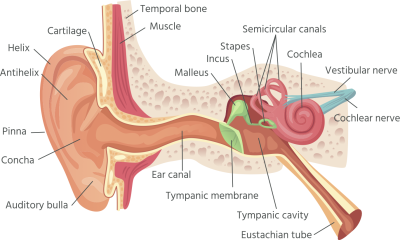
Module 7: Eye and Ear Injuries
Assessment and initial management of eye injuries
Techniques for irrigation, foreign body removal, and protection
First aid interventions for ear injuries and prevention of hearing loss
Module 8: Complications and Evacuation Considerations
Recognition and management of complications associated with minor injuries
Criteria for medical evacuation and referral to higher levels of care and the inter disciplinary team.
Communication and coordination with evacuation teams
Module 9: Leadership and Decision-Making in Military Injury Scenarios
Effective communication and leadership skills in injury situations
Decision-making under pressure and in resource-limited environments
Ethical considerations and responsibilities in the management of minor injuries
Teaching Methodology:
Lectures with multimedia presentations
Hands-on practical demonstrations and skills practice
Case-based discussions and interactive sessions
Simulation exercises and scenario-based training
Q&A sessions
Assessment quizzes and practical skills evaluations
Pre Requisites Have a UK or overseas degree from a recognised institution or equivalent professional or other qualification.
Hold professional registration with the relevant Nursing or Allied Health Professional Body/Council or the GMC.
You will normally have a minimum of 3 years post-registration experience in a relevant care environment.
You should be employed in a role that will support development of clinical skills during the programme should you wish to complete the competency portfolio which is optional.
You should be working in a relevant clinical environment in which you can achieve the clinical skills required.
You should have access to an appropriate practice supervisor within that area.
Whats Included
Audio presentations
3 day classroom course with expert lecturers
Handouts and booklets
3 months access